
In today’s dynamic business landscape, Enterprise Resource Planning (ERP) systems have become essential tools for organizations seeking operational efficiency and streamlined processes.
This article explores the advantages of ERP systems, key features to consider aspert, successful implementation strategies, and the impact on business operations.
By addressing common challenges in ERP implementation, businesses can harness the full potential of these systems to drive growth and innovation.

Advantages of ERP Systems
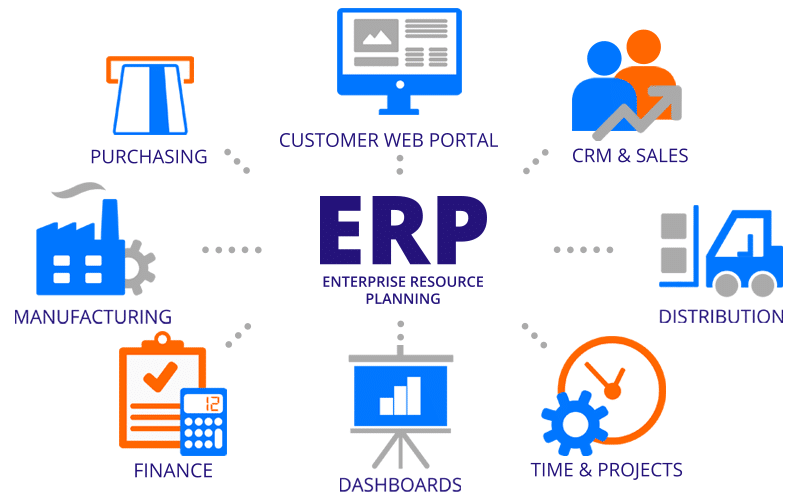
When implemented correctly, ERP systems provide organizations with a streamlined and integrated approach to managing their business processes sap business one malaysia. One key advantage of ERP systems is the centralization of data, which allows for real-time access to information across departments.
This centralized data storage eliminates the need for multiple systems and reduces data duplication, leading to improved data accuracy and consistency. Additionally, ERP systems help standardize processes and workflows, promoting efficiency and productivity within the organization.
Key Features to Look For
To effectively evaluate an ERP system, organizations should prioritize identifying key features that align with their specific business needs and objectives. One crucial feature to consider is scalability, ensuring that the system can accommodate growth and changing requirements.
Integration capabilities are also vital, allowing seamless connectivity with existing systems and applications. Customization options enable tailoring the ERP system to suit unique business processes, enhancing efficiency and effectiveness.
Another essential feature is real-time data analytics, providing valuable insights for informed decision-making. Mobile accessibility allows users to access the system anytime, anywhere, promoting flexibility and productivity.
Additionally, user-friendly interfaces and robust security measures are key features to look for in an ERP system to ensure smooth implementation and optimal performance.
Implementing ERP Successfully
A critical step in the successful implementation of an ERP system is establishing a clear project timeline with defined milestones and responsibilities. This timeline should outline key deliverables, project phases, and the individuals accountable for each task.
Effective communication among team members, stakeholders, and vendors is paramount. Regular progress updates and status reports ensure that everyone is aligned and informed throughout the implementation process.
Furthermore, proper training for end-users is essential to maximize the system’s benefits. User adoption can make or break an ERP implementation, so investing in comprehensive training programs and providing ongoing support is crucial.
Impact on Business Operations
The successful implementation of an ERP system can have a significant impact on business operations, enhancing efficiency and streamlining processes across various departments. By consolidating data into a single integrated platform, businesses can achieve real-time visibility into their operations, enabling better decision-making and resource allocation.
ERP systems also facilitate automation of routine tasks, reducing manual errors and freeing up employees to focus on more strategic initiatives. Improved communication and collaboration among departments are additional benefits, leading to a more cohesive and agile organization.
Overcoming ERP Implementation Challenges
Addressing ERP implementation challenges requires meticulous planning, strategic coordination, and unwavering commitment from all stakeholders involved in the process. One of the primary challenges faced during ERP implementation is resistance to change. To overcome this, organizations must invest in comprehensive training programs and change management strategies to ensure employees are equipped with the necessary skills and knowledge to adapt to the new system.
Additionally, selecting the right ERP system that aligns with the organization’s goals and requirements is crucial. Conducting thorough research, consulting with experts, and performing extensive testing can help mitigate the risks associated with choosing the wrong system. By proactively addressing these challenges, organizations can enhance the likelihood of a successful ERP implementation.
Conclusion
In conclusion, ERP systems offer numerous advantages for businesses, including:
- Improved efficiency
- Increased data accuracy
- Better decision-making capabilities
By carefully selecting key features and successfully implementing the system, businesses can optimize their operations and achieve greater success.
Despite the challenges that may arise during implementation, businesses can overcome them by:
- Staying committed to the process
- Seeking support from experienced professionals
Ultimately, the impact of ERP systems on business operations is significant and can lead to long-term growth and success.